Serving North Palm Beach, Palm Beach Gardens, and Greater Palm Beach County

TMJ Syndrome and Chiropractic Care: Can Adjustments Help?

Helping TMJ Syndrome and Chiropractic Care Adjustments Help

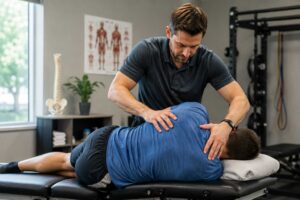
Chiropractic adjustments can relieve TMJ syndrome by correcting misalignment in the cervical spine and easing the muscle tension that builds around the jaw joint. TMJ pain rarely stays isolated to the jaw itself. It frequently connects to neck posture, stress-related clenching, and how the upper spine supports the skull. When chiropractors combine spinal adjustments with soft tissue therapy, patients experience reduced jaw pain, improved mouth opening, and lower overall disability scores within a few weeks of consistent care. This approach offers a non-invasive alternative for people who want to avoid medication or surgery. Jaw pain that lingers for weeks or months usually has more than one cause. Chiropractic Culture looks beyond the jaw itself, examining posture, cervical alignment, and muscle patterns that contribute to temporomandibular joint dysfunction. This connected approach is often what separates lasting relief from temporary symptom management. Anyone who has dealt with a stiff jaw, clicking sounds, or unexplained headaches knows how disruptive TMJ symptoms can become. The condition can interfere with eating, talking, sleeping, and even concentration, since ongoing pain places the body in a constant low grade state of stress. Understanding the link between spinal health and jaw function is the first step toward finding real, lasting relief rather than cycling through short term fixes that never address the root cause. TMJ Syndrome and Chiropractic Care: Can Adjustments Help? The temporomandibular joint connects the jawbone to the skull and works constantly throughout the day, from talking to chewing to simply resting the mouth closed. When the neck or upper back falls out of alignment, the muscles around the jaw often tighten to compensate. Over time, this creates the clicking, popping, and soreness associated with TMJ syndrome. Spinal adjustments address this compensation pattern directly. Restoring proper motion to the cervical spine reduces the strain being transferred to the jaw muscles, which allows the joint to move more freely and with less pain. This differs from purely dental approaches, which often manage symptoms without addressing the postural imbalance behind them. Soft tissue work plays an equally important role. Releasing tight muscles around the jaw, temples, and upper neck reduces joint tension. This prevents muscles from pulling the jaw into an unnatural resting position. Combining muscle release with spinal adjustments provides superior results. This two-part approach delivers longer-lasting relief than either treatment used alone. Research published in peer reviewed journals has documented meaningful improvement in TMJ symptoms following chiropractic care. Case studies involving spinal adjustments, soft tissue therapy, and targeted exercise have reported reduced pain, improved jaw mobility, and better quality of life scores within just a few weeks of treatment, with some patients maintaining symptom free results for months afterward. Jaw Alignment and Cervicogenic Tension: Why the Neck Matters Many people learn with surprise that neck alignment heavily impacts jaw health. The cervical spine and jaw muscles share overlapping nerve pathways. Consequently, tension in one area frequently triggers pain in the other. Specialists call this condition cervicogenic jaw tension. This connection explains why treating the jaw alone often falls short. This connection explains why TMJ patients experience headaches, ear pressure, and shoulder tightness alongside jaw pain. Addressing the cervical spine quickly eases these secondary symptoms. The nervous system no longer needs to compensate for the original structural misalignment. A thorough evaluation typically checks posture, neck mobility, and jaw movement together rather than in isolation. Patients preparing for their first visit can review what to expect to understand how this type of assessment works before their appointment, which helps set realistic expectations for the first few sessions. Bruxism, or teeth grinding, is another major contributor to TMJ syndrome, especially during periods of high stress. Overnight clenching places repeated strain on the jaw joint and surrounding muscles. This strain worsens existing neck and upper back misalignments. Patients struggle to break this painful cycle without addressing both muscular and structural components. Anyone recovering from a car accident or sports impact needs a thorough jaw and neck check. Untreated whiplash frequently leaves behind subtle misalignments. These structural issues surface as painful jaw problems months later. More on this connection can be found under injuries. Athletes in particular tend to develop jaw tension from clenching during intense training or competition. Contact sports, heavy lifting, and high intensity cardio all encourage unconscious jaw clenching, which over time can mirror the same symptoms seen in stress related TMJ cases. This pattern is covered in more detail for athletes managing performance related strain. Posture is another underrated factor. Forward head posture shifts the weight of your head forward. This habit is common among people who spend long hours at a desk or look down at a phone. The forward shift places extra strain directly on your neck and jaw muscles. Correcting this posture is often part of a comprehensive TMJ treatment plan, alongside direct adjustments to the affected joints. Treatment plans are rarely one size fits all. A care plan built around a patient’s specific posture, injury history, and symptom pattern tends to produce better long term results than a generic approach, which is why individualized wellness care matters so much for jaw related conditions. Local residents dealing with ongoing jaw discomfort have access to focused pain relief care in North Palm Beach, which can address TMJ symptoms before they become a chronic, daily issue affecting sleep, eating, and overall quality of life. Consistency matters more than intensity when it comes to TMJ recovery. Most patients see gradual improvement over several weeks rather than immediate relief after a single visit, since the body needs time to adapt to corrected alignment and reduced muscular strain. Skipping sessions or stopping care too early is one of the most common reasons symptoms return. Home care between visits can also speed up progress. Simple jaw stretches support your in-office adjustments. Mindful posture checks throughout the day also help. Additionally, practice effective stress management techniques. These daily habits ensure your results last much longer between sessions. Before committing to a new type of care, many people want to hear

New Patient Special

Get our complete intro package for only $49 (Limited Time)

Includes consultation, adjustment, and more.